The Current Climate: Resilience through Relationship
Today’s FM landscape is defined by localism and human connection. In a world of AI-generated playlists and global algorithms, listeners are increasingly turning to FM for the "human behind the mic." Current data suggests that while music discovery has shifted to streaming, talk, news, and community-specific storytelling remain FM's competitive edge.
- Hybrid Consumption: Most major broadcasters now operate under a "Radio Plus" model, simulcasting FM signals over mobile apps, smart speakers, and digital dashboards.
- Emergency Necessity: FM remains the primary "first responder" of the airwaves, providing life-saving information during network outages or natural disasters when internet infrastructure fails.
Future Trends: The Road to 2030
As we look toward the next decade, the industry is pivoting from reach to relationship, focusing on deep engagement rather than just broad numbers.
- The Battle for the Dashboard
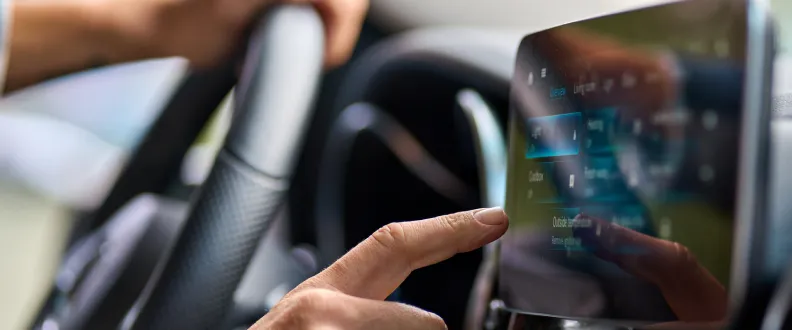
The "connected car" is the new frontier. With modern infotainment systems often burying radio apps under layers of menus, the industry is pushing for "Radio Ready" standards. This ensures that FM, DAB+, and streaming radio are prominently featured and easily accessible via one-touch buttons or voice commands.
- AI as a Tool, Not a Voice
The trend for 2026 is "AI-supported, not AI-replaced." Broadcasters are using AI for:
- Smart Clipping: Instantly turning live segments into podcasts.
- Hyper-local Advertising: Using programmatic data to swap out ads based on a listener’s specific location.
- Operations: Automating transcriptions and metadata to improve searchability on digital devices.
- Transition to DAB+ and Hybrid Radio
In many regions, FM is acting as a bridge to DAB+ (Digital Audio Broadcasting). This allows for higher audio fidelity and more stations on a single frequency. The future is Hybrid Radio, where a device seamlessly switches between a terrestrial FM signal and an IP stream depending on which offers the best signal at that moment.